Category: Power Wheels

If you are new to buying a ride on car for the first time, you’re in the right place. Our RC Ride On Car beginners’ guides takes you through everything you need to know when choosing a new ride on car, including what is safe for your family, what you need to know, and how to store it safely when it’s not in use.

  • Put a 24V Battery in a 12V Car

    Can You Put a 24V Battery in a 12V Ride On Kids Car?

    You can replace a 12V battery with 24V batteries without doing some conversion on a 12V ride on car. It is possible to upgrade a 12V ride-on vehicle into a 24V ride on car to give your little one more speed and power. You need to collect the right tools and replacement parts for the…

    Continue reading →

  • Are Ride On Toys Battery Powered?

    Are Ride On Cars Safe? Kid’s Power Wheel Safety Features

    Are Ride On Cars Safe? Yes, they are safe. Fisher-Price spends a lot in research and development to ensure Power Wheels are safe for kids. Some of the safety features include parental remote controls, safety belts, and a spring suspension system. Overall, you have nothing to worry about as long as your child is driving…

    Continue reading →

  • Can Ride On Cars Get Wet

    Can Ride On Kids Cars Get Wet and Stay Outdoors? 9 Fixes!

    Can Ride On Kids Car Get Wet And Stay Outside? Not for long durations. Ideally, ride-on cars should not remain out during wet weather conditions. Electrical components in toy cars can get rust or damaged due to contact with water. Therefore, you should store ride-on cars indoors when the weather turns into rain or snow. …

    Continue reading →

  • Are Power Wheels Waterproof

    Are Power Wheels Waterproof? The Truth Behind the Myth

    Kids love driving around, and sometimes it may look like rain outside. The question is, do you have to worry about that? Let’s find out. No, Power Wheels are not waterproof. You want to avoid water on the battery, wires, and dashboard. There are also a lot more moving parts near the back wheels that,…

    Continue reading →

  • Will I Fit in a Go Kart

    Will I Fit in a Go Kart?

    Three things determine whether you will fit in a go-kart, namely your height, weight, and the go-kart model. Go-karts models are standardized for a certain weight and height. The standard go-kart chassis measurements are 78″ long, 28″ tall, and 52″ wide.  I have been to go-kart races with friends, and many tall and heavy people…

    Continue reading →

  • Best Steel Tubing for Go Kart Frame

    What is the Best Steel Tubing for Go-Kart Frames?

    The best steel tubing for go-kart frames is the AISI 4130 low-alloy steel and AISI 1018. These tubings have the right balance of stiffness and flexibility. The AISI 4130 low-alloy steel has great hardness, tensile strength, and yield strength making them widely considered as best steel tubing for Go Kart Frames.   It can be difficult…

    Continue reading →

  • Replacement 12V and 24V Ride on Batteries

    Replacement 12V and 24V Ride On Car Batteries Guide (Chargers & Accessories)

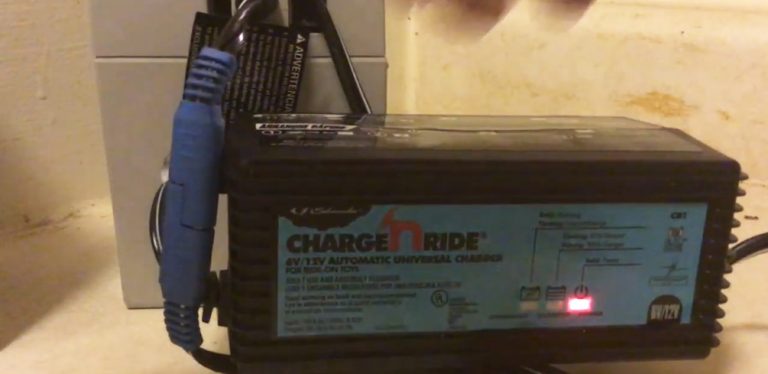
    Finding the appropriate replacement batteries and chargers can be tricky for parents. It is usual for a charger to get destroyed or misplaced from time to time. This article explores various replacement 12V and 24V Ride on batteries and chargers for ride-on cars. You can find replacement chargers for Power Wheels, Peg Perego, Best Choice,…

    Continue reading →

  • Battery Indicator Power Wheels

    How to Add A Battery Monitor to Power Wheels | Amazingly Cheap DIY

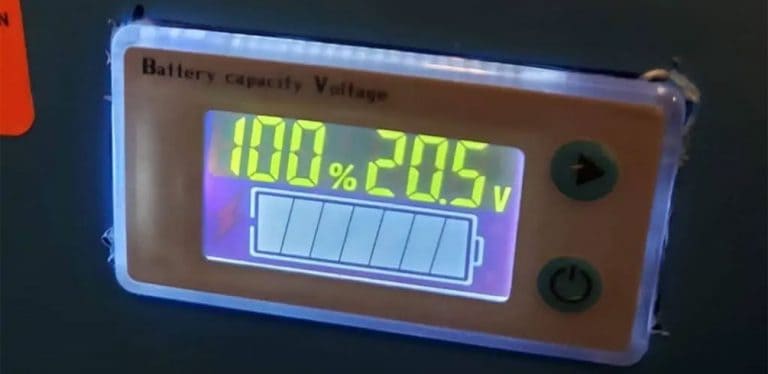
    The battery meter should be placed in a convenient location where your child can see it without taking their eyes off the road. The meter comes with a small mounting bracket that’s attached to the dashboard. There are two connections on the back of the Battery Meter where you will connect your wires and batteries.…

    Continue reading →

  • Power Wheels

    The Ultimate Power Wheels Guide

    Power Wheels is a brand of ride-on cars that is very popular and now has become the way people refer to ride-on cars. Most people use the term Power Wheels interchangeably with a toy car, truck, or tractor that kids can drive and is battery-operated. Some of these will also have remote controls, although the…

    Continue reading →

  • How Much Do Power Wheels Cost

    How Much Do Power Wheels Cost? | Which One is Right for You?

    When purchasing Power Wheels the cost you should expect to pay is $200-$1,000 for Power Wheels depending on various factors. Most Power Wheels toy cars range between $300 and $500, the larger ones for up to $1,000 have so many extras features like rubber tires and 4 wheel drive. Add another $40-$200 if you want…

    Continue reading →

  • Kind of Plastic Power Wheels Made of

    What Kind of Plastic are Power Wheels Made Of?

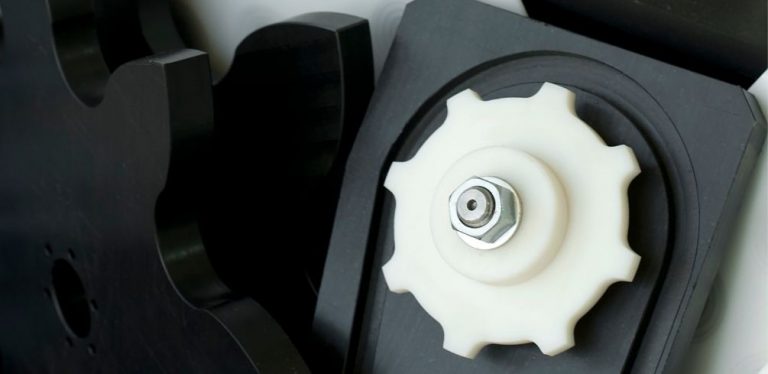
    Most Power Wheels companies use polyethylene (PE) and polypropylene (PP) to make Power Wheels. Some also use Acrylonitrile Butadiene Styrene (ABS) and High-density Polyethylene (HDPE). All these types of plastic are extremely durable and can withstand the daily abuse of children. Have you ever wondered what kind of plastic Power Wheels are made of? I…

    Continue reading →

  • Cost to Ship Power Wheels

    How Much Does it Cost to Ship a Power Wheels?

    The cost of shipping Power Wheels can depend on how far it needs to be shipped, what carrier you use, and the size and weight of the package. If you are shipping within the US, it can cost anything between $100 and $300. If you are shipping from outside the country, you may have to…

    Continue reading →

  • Motorcycle Battery Power Wheels

    Can you use a Motorcycle Battery in Power Wheels?

    Yes, you can use a motorcycle battery in Power Wheels, but this isn’t recommended for various reasons. A motorcycle battery has an alternator, which charges the battery as the motorcycle runs. A Power Wheels car isn’t designed this way, so a motorcycle battery can be drained to the point of no return in just one…

    Continue reading →

  • Storing Power Wheels Batteries

    How Do You Store Power Wheels Batteries?

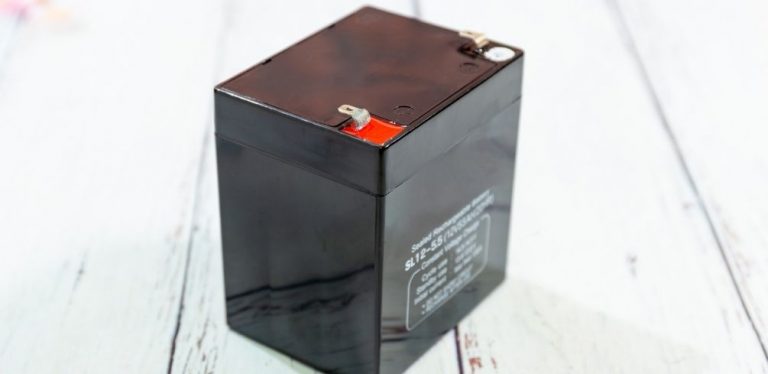
    Charge the battery fully before storing it. Store the battery at slightly lower than room temperature. The ideal temperature for storing Power Wheels batteries is 10-15 degrees celsius. Store in the correct humidity levels; the optimum storage humidity is 50%. Be sure to check and recharge it every six months. This will help prevent any…

    Continue reading →

  • Electric Ride on Car Not Charging

    Why My Electric Ride On Car is Not Charging? | DIY Repair

    Electric Ride On Car Not Charging The most prevalent reasons why an electric ride on car isn’t charging are: Overall, you need to carry out a few tests to figure out the root cause of the problem before deciding the appropriate solution. Electric ride-on cars tend to stop working when you do not take good…

    Continue reading →